

Since the age of Western Migration and first contact with the Shawnee and Miami indigenous cultures of the Ohio Valley, the region that encompasses Clermont County has played an active role in American history. In the latest episode of Good Day Clermont! President of the Clermont Historical Society, Kelly Wright, PhD, discussed how residents and volunteers are preserving hundreds of local artifacts and documents to tell the story of their growing community.
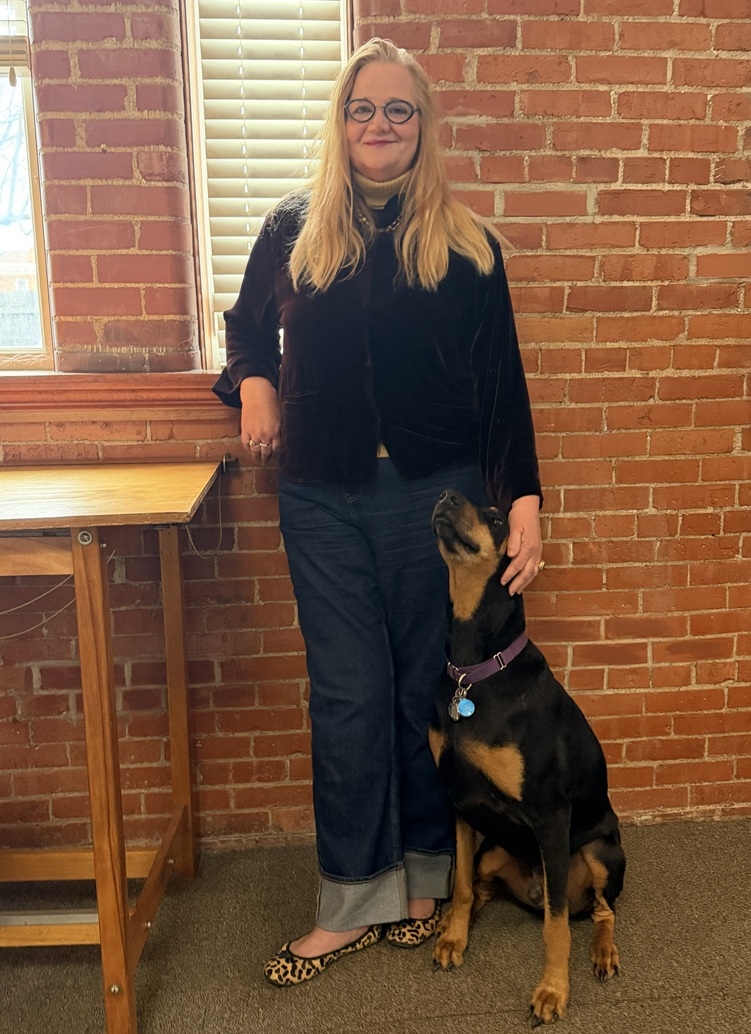 Dr. Kelly Wright of the Clermont Historical Society.
Dr. Wright says that Clermont County represents most communities across the United States in more ways than one. As a social and cultural historian, she says Clermont County displays not just the achievements of Presidents, generals, and other high-profile historic figures, but also the everyday citizen. The Clermont Historical Society values telling the stories of how the average person lived and what they valued by looking at their material culture.
“History is everywhere. Everybody has a history,” Dr. Wright explained.
The abolition movement of the 1800s, including the Underground Railroad prevalent throughout Southwest Ohio, is a distinct characteristic of Clermont County’s past.
“We are especially proud in Clermont County of our association with the anti-slavery movement, which really puts us on the historical map for many people,” Dr. Wright reflected. “I don’t know if there is any more inspirational story in the history of man than people helping other people to freedom.”
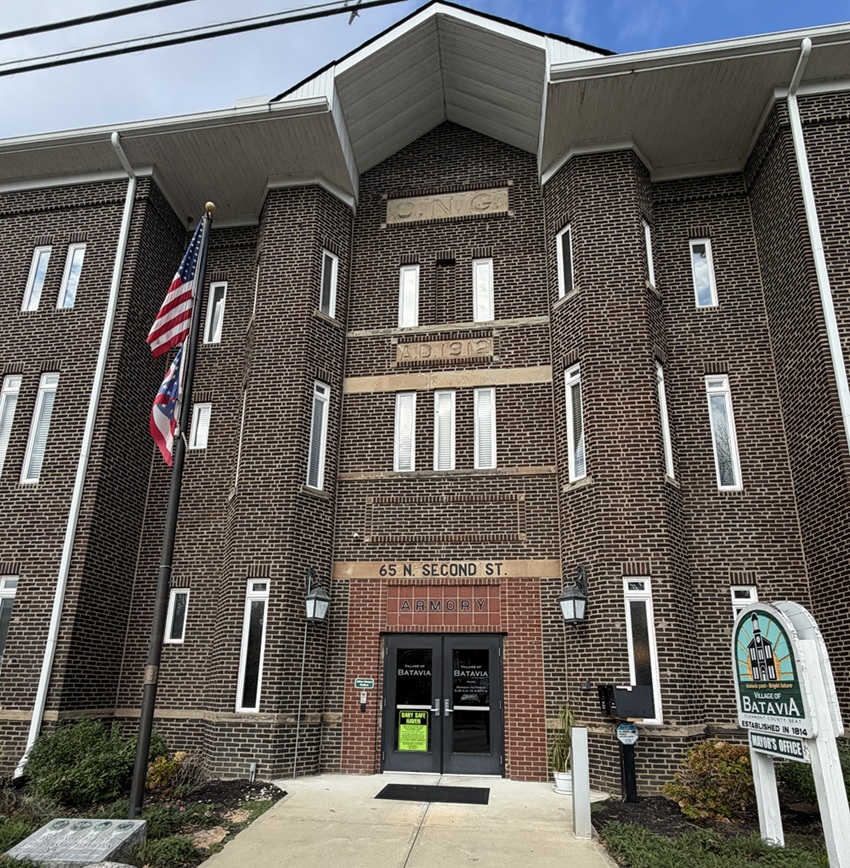 The Batavia Armory.
The organization relocated its operations to the Batavia Armory in July of this year. It hosted its first open house on September 20.
The move provided more room for collections and archives, according to Dr. Wright. In the past, staff had to make use of only three rooms, and filing cabinets packed much of the space. Three high-school football teams volunteered to help move items and furniture into the new location.
 Projectile points excavated in the Ohio Valley.
Today, the Clermont Historical Society has placed an emphasis on modernizing its processes and planning for board succession.
“We plan on using the space now afforded to us by the Armory to have some reorganization days where we are going to put all of our [document collections] in a new system that’s more in keeping with the way other professional archives organize their material.” Dr. Wright said.
Like many local nonprofits, the Clermont Historical Society can't realize its fullest potential without contributions and volunteer support. Dr. Wright says that they are always seeking help to organize and scan documents and adopt new strategies and technology to keep up with modern curation efforts.
 Cameras through the ages.
Despite some of the growing pains of managing a nonprofit, Dr. Wright feels optimistic about the future of history in Clermont County. She told Good Day Clermont! that she hopes to see membership numbers grow in the coming years and that the organization will find a permanent residence where it can host more presentations.
Above all, she urged young listeners to get involved with local history and nurture a ‘new generation of budding historians.’
Sign up for more weekly podcast updates.


Comments
No comments on this item Please log in to comment by clicking here