

BATAVIA — Clermont County has demonstrated educational resilience over the last ten years. Student and teacher experiences through ever-changing educational standards, tax levies, and technological evolution have proved that strong schools help build stronger communities. On November 3, educators from across the County came together at West Clermont High School to strengthen both.
 Photo provided by Clermont County Educational Service Center.
“It was a great day for our educators and the communities they serve!” said Darrell Edwards, Leadership and Customer Liaison for the Clermont County Educational Service Center (ESC).
That sense of shared purpose set the tone for the rest of the program.
The Clermont County Educational Service Center developed and led the conference under the leadership of Edwards and Jeffrey Weir, Superintendent and CEO.
The ESC supports public school districts throughout the county, including:
Batavia
Bethel-Tate
Clermont Northeastern
Felicity-Franklin
Goshen
Loveland
Milford
New Richmond
West Clermont
Williamsburg
“I’m a believer in it because it’s a great way to network all of our county schools and makes Clermont County a stronger county in public education,” Dubbs said.
The event offered a spotlight to talented, lower-profile teachers who demonstrate successful practices from their districts and share learning resources other districts may not yet be aware of across multiple grade levels.
Educational leadership in Clermont County recognizes this concerning trend and has begun organizing ways to ensure even the most under-resourced districts have the information they need to help students succeed.
“A lot of [teachers] in Clermont County don’t have individuals to talk to,” Principal of Williamsburg High School Jason Tackett said. “At Williamsburg, we have one teacher for every grade level… so to get to come here and work with teachers that teach the same content area and deal with the same struggles in and out of the classroom is a great day of growth for them.”
The day's schedule offered several ways for participants to connect and learn.
The morning opened with a keynote presentation by Josh Shipp, titled “The Power of One Caring Adult: How Every Adult on Campus Can Positively Impact a Student's Trajectory.” The presentation focused on the important role that caring adults play in a student's life, especially for students in grades six through 12.
While one group attended the keynote, another group took part in networking sessions. Organizers then switched the groups so more educators could take part in both experiences.
After the morning sessions, participants chose from a wide range of workshops. The conference organized its sessions around five major themes: College and Career Readiness, Instructional Strategies and Engagement, Leadership, Networking, and Support for the Whole Learner.
The variety of topics reflected the many responsibilities educators carry and the different needs they address every day.
Some workshops explored artificial intelligence and its growing influence on education and the workplace. In a Youngstown State University study, 60% of U.S. K-12 public school teachers used AI tools during the school year, with 32% using them at least weekly. Overall, half of U.S. public school teachers use AI for work-related tasks.
Controversies around AI use in the classroom and its broader impact on student development prompted teachers to discuss philosophies and teaching strategies that accommodate modern changes in technology.
Other workshops addressed solutions for core educational programs, like reading, writing, math, classroom engagement, and new ways to help students think critically and solve problems.
Another important area of focus involved the whole learner. Workshops covered student behavior, mental health, anxiety, special education, attendance, communication, and social-emotional learning.
These sessions recognized that students require more than academic instruction to succeed. They also need caring relationships, supportive environments, and adults who understand their individual needs.
Some of the teachers attending this year’s conference have decades of experience to reference. Goshen teacher Gretchen Gifford said she has been teaching for 35 years and wants to ‘pass the torch’ of her knowledge to the next generation of educators.
Colleague connections from other districts build a network of people who teachers and staff can contact long after the conference ends. They develop a pipeline to discuss challenges, compare approaches, and mentor each other for the best academic outcomes.
“We live in a time period where public education really needs to make people understand that the return on investment that they put into public ed is very important,” Dubbs explained. “We do amazing things in public ed. So, by us getting together and networking… it just makes us stronger.”
The benefits reach beyond individual classrooms. Stronger teachers and school leaders help strengthen entire school communities. Families benefit when schools improve their ability to guide and support children through a critical period of their development. Employers and local organizations benefit when schools prepare students with the knowledge and skills they need to contribute to the community.
The Clermont Collaborative Learning Conference supports the goals that residents identified through Clermont County's Agenda for the Future.
The conference connects directly with the agenda's theme of Lifelong Learning, recognizing the value of continued education and encouraging all residents to develop the skills, knowledge, and experiences they need to succeed throughout life.
Academic development plays a central role in both goals. Schools help children build the foundation for future success, but their impact reaches much further. Strong schools attract families, support local employers, and create communities where people want to live and raise their children.
Even the lunch break offered a chance to support the community. Eleven food trucks gave participants a variety of choices, while additional food sales supported the West Clermont High School tennis teams.
Participants summed up the value of the conference: “We're better together.”
Read the Connect Clermont newsletter for more community developments.


 Photo by
 Photo by
 Photo by
 Photo by
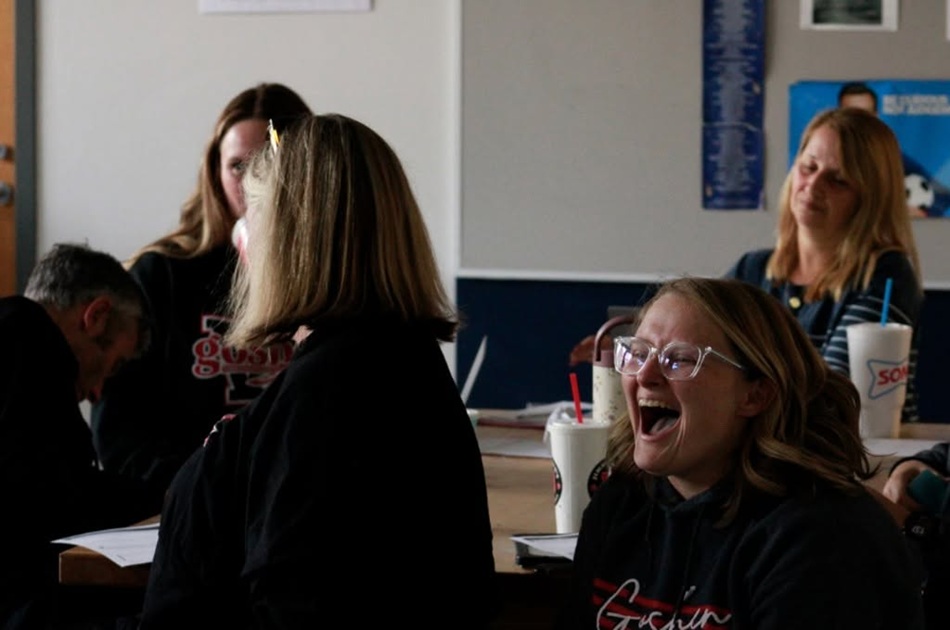 Photo by
 Photo by
Comments
No comments on this item Please log in to comment by clicking here