


Sizemore herself manages 14 bee colonies from her Sardinia farm. She also sells honey and breeds queen bees to produce less aggressive colonies.
In an interview with WCPO earlier this year, Sizemore emphasized the importance of her work as an inspector.
“The most important thing is monitoring the health of the colonies in the county because we have some very contagious diseases that can be passed around very quickly that can kill colonies very quickly,” she said. “Bees can fly two miles … so if somebody is carrying [foulbrood spores] and they go two miles away to another colony, then you’ve just infected another apiary.”
Protecting the local honeybee population safeguards one of Ohio’s most sizable agricultural industries. Beekeepers produced over 1.25 million pounds of honey in 2024, which sells to consumers across the country.
 Sizemore replaces beehive frame (source: WCPO).
Many local producers are having trouble keeping up with the demand for honey products. In an effort to boost supplies and encourage more residents to take up beekeeping, local apiaries like HappBee Acres began transitioning to provide sustainable resources for beginner apiaries.
Organizations like these collaborate with inspectors to ensure they have the information they need to protect and grow their bee colonies. Sizemore noted that for Clermont County, this service has been available for over 20 years.
“Having someone trained and knowing what those diseases look like … but also how to get rid of pests, tips you can do to prevent pests and other secondary pests from getting into your beehives.” Sizemore told reporters.
 (source: Nectar Blogs)
Most Ohio counties commission part-time inspectors to cover hundreds of apiaries. Clermont County has an annual budget of $7,000 for its inspection operations. Sizemore earns around $20 to $25 an hour for her work.
“I enjoy meeting and talking to the beekeepers,” Sizemore told WCPO. "So many people, especially beginner beekeepers, they have so many great questions … so when I come out or when any apiary inspector comes out, it may be the only time throughout the year they get to speak with someone with knowledge to help them.”
Apiary inspectors share reports with the Ohio Department of Agriculture to inform the public about the health of local bee colonies and assist with fund allocations toward bee conservation.
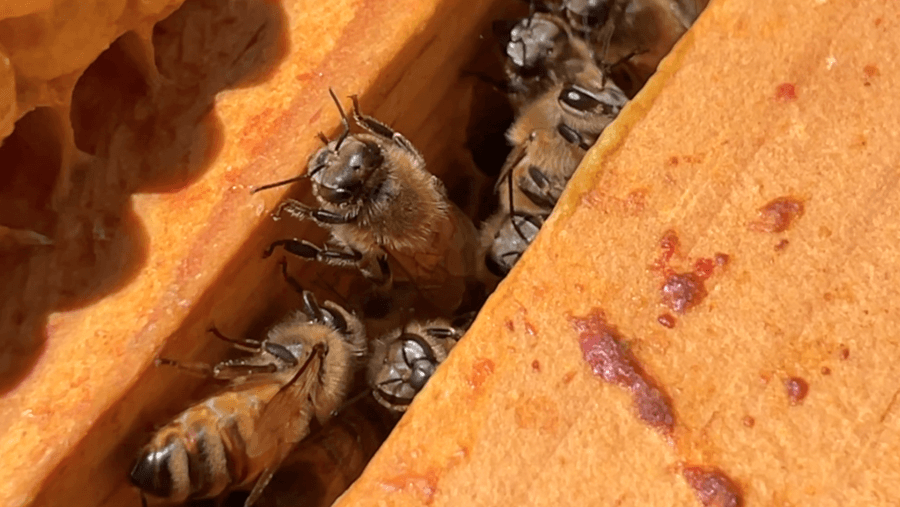 (source: WCPO)
Surprisingly, Cincinnati has not hired someone for this role since 2015, despite the area hosting over 200 registered apiaries.
Jenny O’Donnell, co-founder of the Queen City Pollinator Project in 2019, says Hamilton County commissioners eliminated the part-time job due to supposed budget cuts and have declined to bring it back. She worries that one bad disease outbreak could wipe out the entire county’s bee population.
Some farmers worry that unmonitored bees in Hamilton County may cross over into Clermont County. Fortunately, Sizemore alleviates concerns, maintaining that Clermont’s routine inspections have kept the area “very clean” of mites, parasites, and infections.
Several years of droughts and deforestation across America have endangered the broader honeybee population. The unmitigated decline of these insects can contribute to ecological collapse in some areas of the country. Having local beekeepers and inspectors in Clermont County act as a bulwark against extinction while inspiring others to maintain their own apiaries has put the community on the map.
As of 2026, Clermont County continues to inspire the beekeeping industry across Ohio with its diligence and care for local insect colonies.


Comments
No comments on this item Please log in to comment by clicking here