

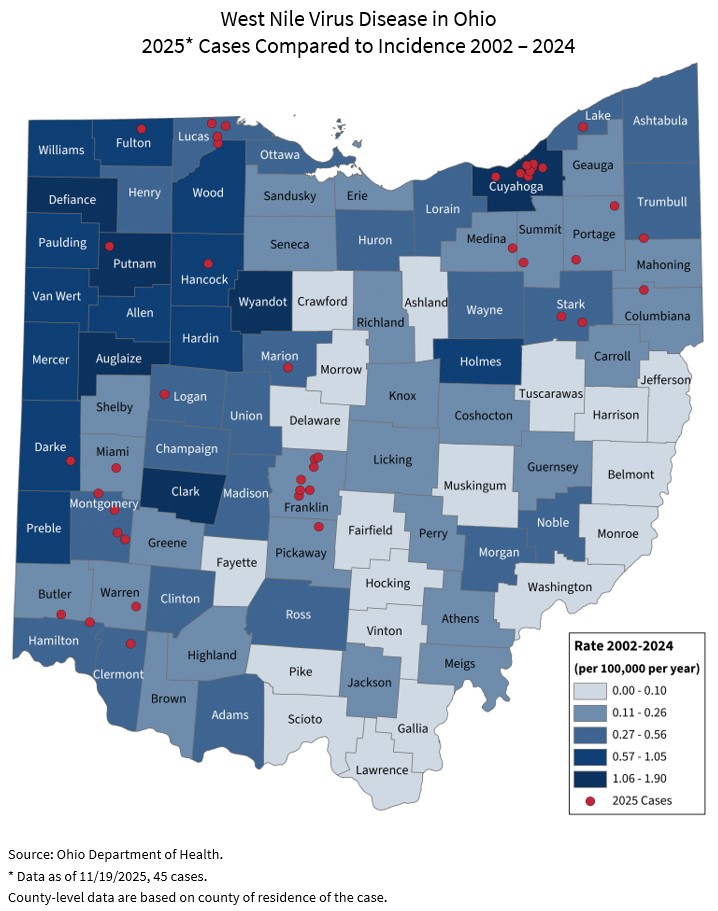
West Nile Virus is the most common illness spread by mosquitoes in humid climates like the Midwest. Thousands of Americans fall victim to this disease every year. However, Clermont County reports zero cases during the height of mosquito season.
Large mosquito populations emerge in Clermont County around May and thrive through the summer months until autumn.
 Image by NBC4 WCMH-TV
According to Clermont County Public Health (CCPH), Ohio mosquitoes can carry diseases like encephalitis, malaria, and West Nile Virus. The organization reported several cases of West Nile Virus in Clermont County in past years.
West Nile Virus can cause muscle pain, vomiting, diarrhea, and fatigue that can last for weeks or even months. For immunocompromised individuals, this disease can be fatal without medical intervention.
Recent efforts to prepare the public to combat insect-borne illnesses during mosquito season appear to be effective. At the time of this report, health agencies in Clermont County have reported zero cases of West Nile Virus during its peak transmission period.
Entomologists (scientists who study insects) identify around 60 mosquito species inhabiting Ohio throughout the year. Only a small percentage of these pests carry and spread disease to humans via a bite. Still, millions of mosquitoes can concentrate in small areas, putting both humans and pets at risk.
Experts at CCPH note that mosquitoes are most active at dawn, in the late afternoon, and in the evening. Other studies indicate a 500% increase in bite activity during full moons.
Compared with other Ohio counties such as Franklin, Cuyahoga, and Lucas, Clermont County experiences fewer mosquito-borne illnesses in a given year. Last year, the Department of Health reported only 0.5 cases of West Nile Virus per 100,000 people due to the effective prevention strategies of both residents and local health resources.

Public health agencies in Clermont County do not operate a wide-scale mosquito control or adult mosquito spraying program.
Instead, organizations like CCPH focus on disease surveillance, tracking vector-borne illnesses such as West Nile virus, and educating residents on personal protection and eliminating standing water that harbors mosquitoes.
This strategy has proven effective in minimizing mosquito-related hospitalizations and protecting the environment against other pests and parasites.
By monitoring mosquito activity and associated diseases, health officials can advise residents and share information with neighboring counties to inform strategies to reduce the mosquito population and protect vulnerable people.
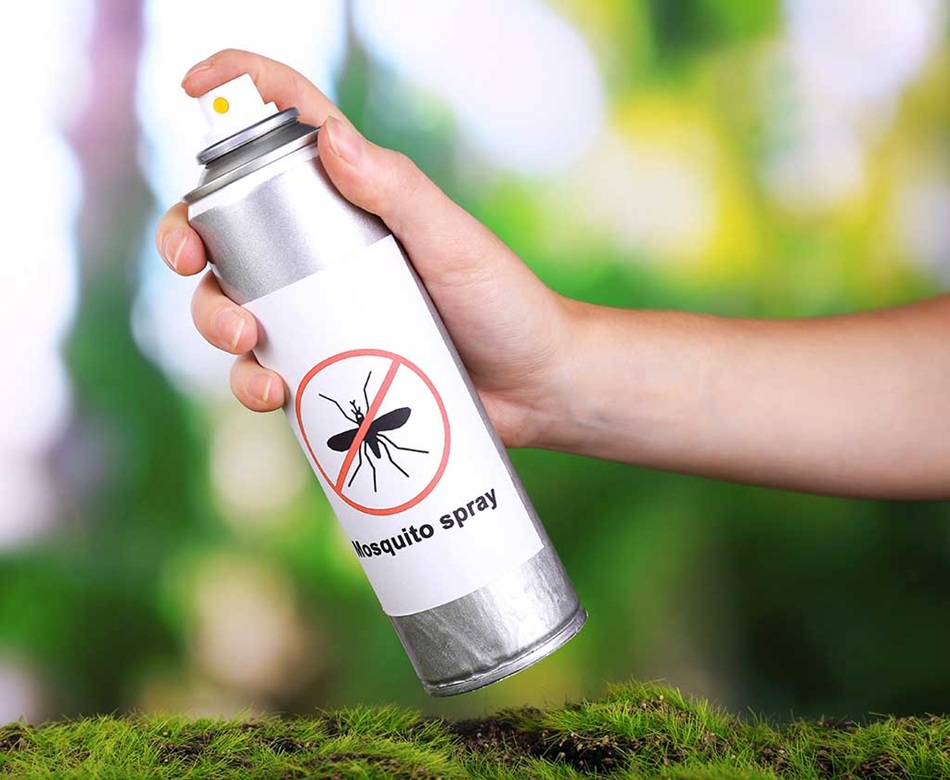 Image by Anveya
While it is impossible to eliminate mosquitoes in Clermont County, CCPH offers locals several tips to prevent mosquito bites and discourage nests from forming on their properties:
Residents should use EPA-registered insect repellents and wear light-colored clothing and long sleeves. They should also seal windows and repair screen doors to keep bugs out.
Broad-spectrum mosquito sprays use chemicals like synthetic pyrethroids that can be harmful to beneficial insects like bees, butterflies, and dragonflies. They can also wash into waterways where they are toxic to fish. Checking products for environmental warnings and EPA certifications is the best way to shop for effective mosquito repellents.
Before traveling internationally, check the Centers for Disease Control and Prevention for mosquito-borne disease alerts. Speak to your healthcare provider regarding risks and whether you need a vaccination in advance. CCPH offers international travel vaccines, such as yellow fever.
Mosquitoes lay eggs in still water, so even small puddles can become a breeding ground. Drain water from items such as flowerpots, buckets, barrels, tarps, and wheelbarrows.
CCPH provides more tips on its official website.
Local health officials will continue to monitor the prevalence of West Nile Virus and other insect-borne diseases in Clermont County. Fortunately, residents can rest easy knowing that these simple strategies can help them fight off mosquitoes and reduce their own risk of infection.
Get public health updates with Connect Clermont.


Comments
No comments on this item Please log in to comment by clicking here