

MILFORD — The Clermont Chamber of Commerce is set to host a much-needed county development forum for business owners and community stakeholders on November 5. The event marks a collaborative shift toward long-term planning in the local private sector.
Clermont County has been an epicenter of small-business development in Southwest Ohio for the past 10 years. The population has grown 7.5% since 2015, attracting nearly 15,000 new consumers, laborers, and entrepreneurs to the region.
 source: Clermont Chamber of Commerce
Manufacturing and logistics form the backbone of the county’s economy, employing tens of thousands of workers across shops, warehouses, and healthcare facilities. As Clermont County grows, aligning these sectors to changing market trends and major developmental projects has become the critical element to business sustainability.
What’s Next for Clermont County? Explore the Future of Growth & Development will take place from 3 to 5:30 p.m. Thursday, November 5, at the Little Miami Brewing Co. Event Center in Milford. Organizers invite regional leaders and project developers to discuss upcoming changes that will shape Clermont County in the years ahead.
The timing of this event couldn’t be better, as many construction and agricultural managers in Clermont County are learning to navigate the challenges of rising costs driven by tariffs and logistical restructuring.
No doubt, the recent growth in Clermont’s private sector has created new opportunities for SMBs and regional enterprises. Still, rapid and unavoidable changes to the region’s infrastructure raise practical questions for those living and working in Clermont County…

Roughly 93% of the county's recent population growth is concentrated in just three western locations: Batavia, Union, and Miami Townships. Suburbanization has affected key commercial hubs in areas like Eastgate, a primary anchor for new housing developments and retail centers.
According to the Clermont County Housing Study, this rapid growth has outpaced supply, leaving over a quarter of all households and nearly 40% of renters cost-burdened.
Commercialized districts leave less room for families to settle down and force business owners to confront intensive scaling.
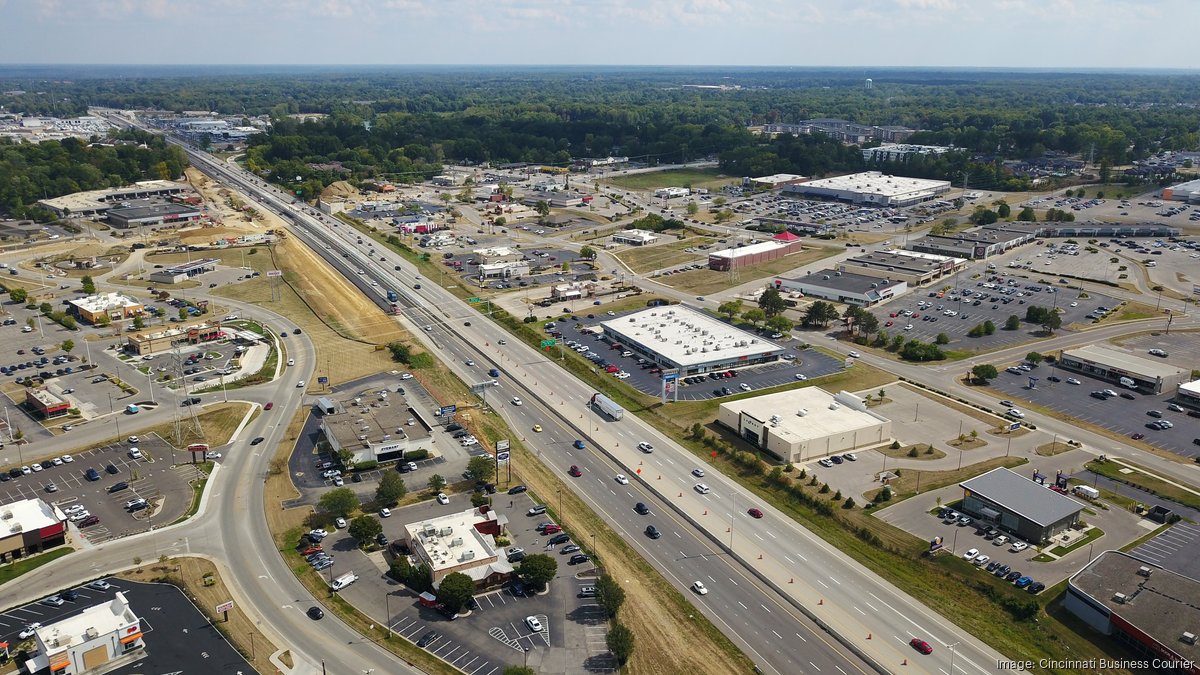
Rapid sprawl is beginning in the central and eastern parts of the county due to increased housing demand. The change has sparked local concerns regarding traffic congestion, the loss of traditional rural and farm character, and environmental impacts from clearing open land.
Every day, 52,000 vehicles travel between State Route 32 and 275. With commercial and residential growth on the horizon, questions about how and where to redirect traffic are already making a stir on social media and online forums.

New and emerging industries are sweeping the nation, notably in the hospitality and tech sectors. Debate over how Clermont County will handle the infrastructure and labor needed to accommodate these businesses will likely continue beyond the November 5 forum.
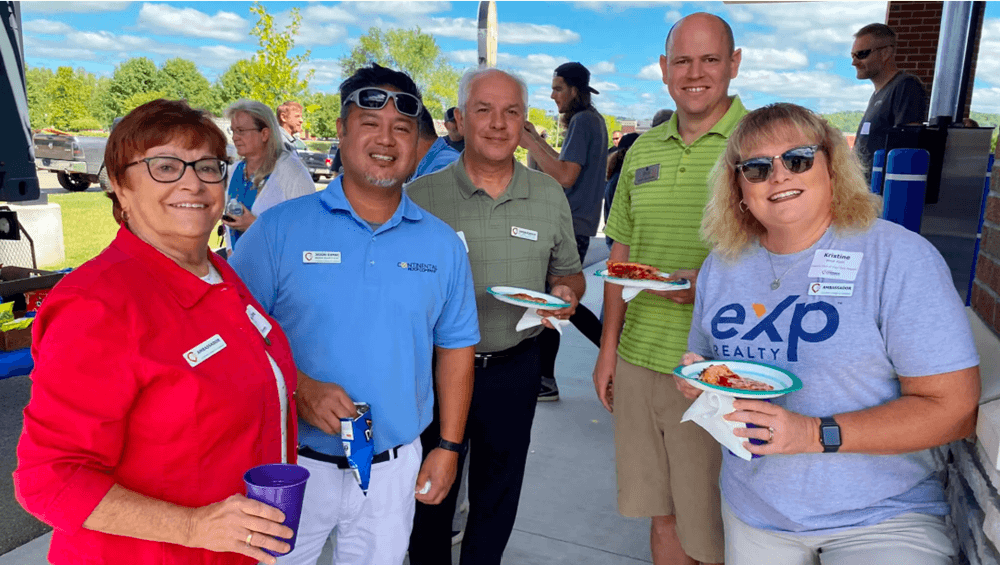
Clermont leadership hopes to collaborate with new business owners to promote their products and services to both local and out-of-state consumers. Several nonprofits have emerged over the last ten years to support local small-business growth while nurturing harmony and balance within the community.
The development forum will give aspiring business owners a chance to ask questions that could inform the next five to ten years of success in Clermont County.
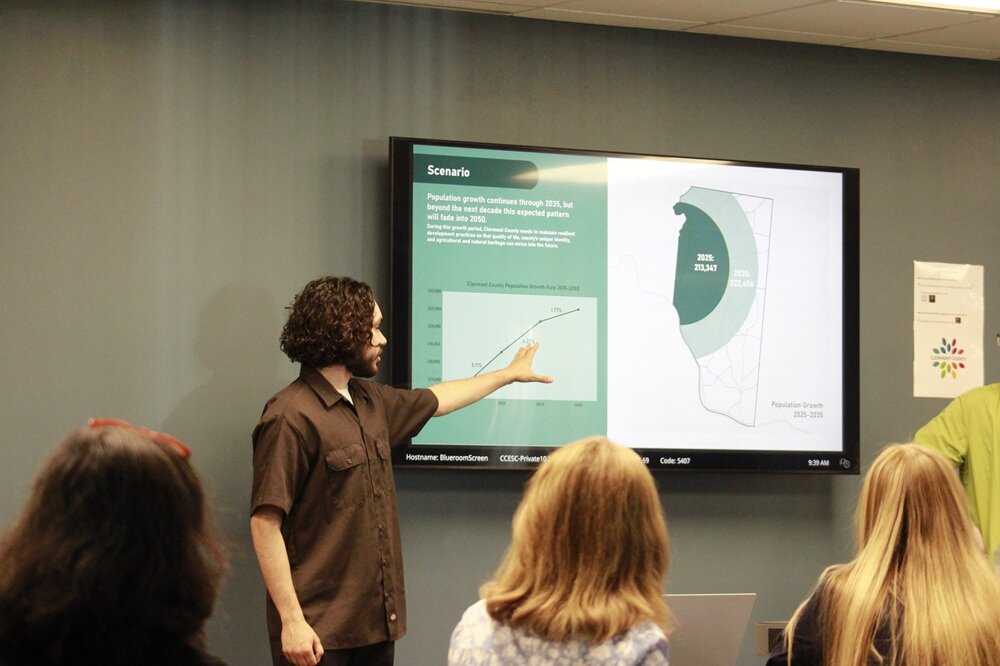 Photo: Hailey Bingham
Work readiness programs are sprouting up all over the community. The Content Creators Academy, hosted by Connect Clermont, introduces high school students to work experience before they graduate, guiding them towards networking opportunities and careers they actually want to pursue.
Other programs, like JumpStart, and nonprofit-led career fairs, help young professionals find their footing in the labor market. Still, local business owners must incentivize these workers to remain in Clermont County if they hope to expand and retain a quality workforce.
Organizers highly value business participation in work readiness programs. SMB leaders can take time in November to learn more about these programs, explore opportunities to sponsor them, become a guest speaker, or organize site tours for students and potential employees.
 source: Franklin University
History shows that a contentious dynamic between the private sector and the broader public can halt economic opportunity in its tracks.
As Clermont nears 2027, there is no better time for business to align itself with the needs and values of the community in which it operates. A demonstration of respect and due-diligence will make the area a more attractive place to live and thrive for all residents.
The November forum will provide opportunities for businesses to better understand their consumers' expectations and the culture they will represent going forward.
 source: Connect Clermont
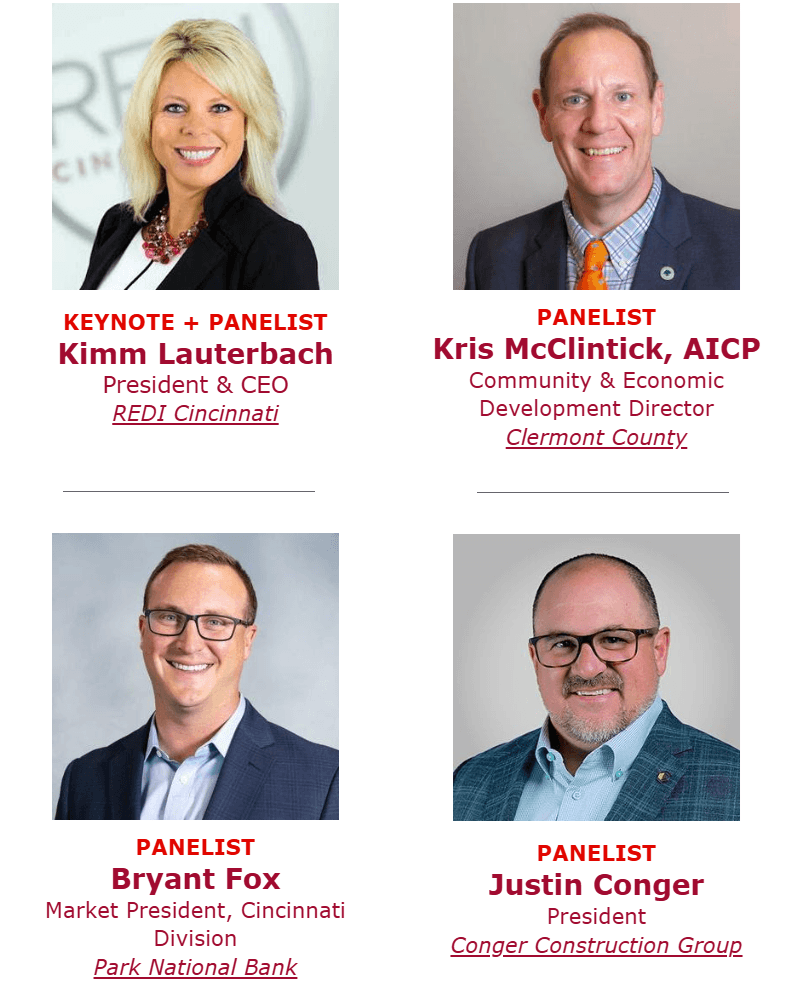
Infrastructure investments
Transportation projects
Retail and mixed-use opportunities
Capital markets
Workforce growth and retention
 source: Clermont Chamber of Commerce


Comments
No comments on this item Please log in to comment by clicking here